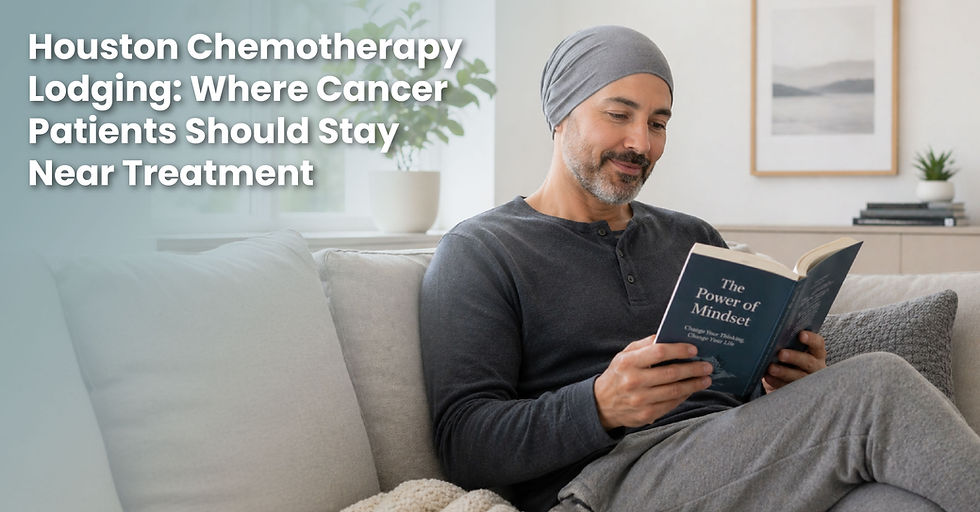
Creating a Comfortable Routine Away from Home During Recovery
Traveling for medical care can be stressful for patients and families. Yet maintaining a consistent recovery routine during a temporary stay is crucial for healing. Research shows that a calm, home-like setting helps lower stress and improve sleep, which directly aids recovery. In the midst of out-of-town treatment, building a predictable daily schedule and optimizing your temporary housing can make a big difference in patient comfort away from home. This guide offers practical tips on why routines help, how to design your day for healing, ways to make your apartment feel like home, and how to cope emotionally while away from home.

Medical Accommodations specializes in “clean, quality, safe” medical housing that supports healing. By following these suggestions, you can turn a recovery-friendly apartment into a true sanctuary where you and your loved ones focus on healing, not housing hassles.
Why a Routine Matters When Recovering Away from Home
A steady routine provides structure and normalcy during an uncertain time. When you’re far from home, having set mealtimes, wake-up times, and rest periods anchors your day. Patients report that simple routines like “waking up in your own bed, eating at your own table” help preserve emotional well-being. In fact, one guide notes that home-like environments with consistent daily rhythms “reduce stress and contribute positively to healing”. By contrast, hospital or hotel stays tend to be noisy and sleep-disrupting, which can slow recovery.
Temporary medical housing, especially for out-of-town treatment routines, also makes the unfamiliar feel familiar. Unpacking immediately and organizing your belongings can help you “feel normal”. For example, Medical Accommodations recommends establishing a routine from day one: unpack your suitcases right away and arrange clothes and supplies in the drawers and closets. Living “out of a bag” adds extra stress, whereas having an arranged closet and dresser helps your mind accept that you’re “living” here, not just visiting.
Consistency reinforces healing. Going to bed and waking up at roughly the same time every day trains your body’s circadian rhythm to sleep better. Good sleep is one of the most powerful recovery tools: in calm, home-like apartments, patients sleep longer and more soundly, which bolsters the immune system and speeds tissue repair. On the other hand, irregular sleep (late nights, napping inconsistently, or frequent interruptions) can leave you feeling exhausted and slow your progress. A stable sleep routine also helps mitigate jet lag or time-zone changes if you traveled far.
Finally, keeping some elements of your usual routine like showering, teeth-brushing, or morning coffee in a familiar mug gives psychological comfort. These small habits signal to your brain that this space is your home away from home, not just a temporary bed. Over time, these rituals help reduce anxiety and make the recovery period feel more manageable.
Establishing a Healing-Focused Daily Structure
Building a daily schedule is all about balance: incorporate rest, nutrition, gentle activity, emotional check-ins, and downtime. Here are key parts of a recovery routine for a temporary stay:
Consistent Sleep Schedule:
Try to go to bed and wake up at the same times daily. Keep your bedroom quiet and dark at night; use earplugs or a white noise app if needed. Stick to light evening meals and limit screen time before bed. A consistent routine helps your body know when to rest. (As one medical lodging guide notes, home-like apartments allow patients to “sleep longer and more soundly,” which is critical for healing.)
Nutritious Meals:
Eating well is vital for recovery. Take advantage of your apartment’s kitchen by preparing meals that fit your dietary needs. For example, if you need a high-protein diet or low-sodium foods, you can cook special recipes at home. Home cooking also saves money and avoids the fatigue of fast food. Even simple steps like cooking extra portions can give you leftovers for a second meal, so you’re not hungry late at night. Meal planning (even writing down a rough menu) helps you stay on track. If cooking is too tiring on some days, you can use the kitchen to heat healthy, ready-made meals or blend smoothies, as some patients do. (Tip: Keep quick snacks like nuts, yogurt, or prepared sandwiches on hand so you always have something nutritious ready.)
Gentle Activity:
Light movement, such as short walks, stretching, or simple yoga, can improve circulation and ease stiffness from treatment. Check with your doctor for appropriate exercises (for example, a walking prescription or basic rehab moves). Even a 5-minute walk around the apartment or up and down a safe hallway can keep muscles engaged and lift your mood. Scheduling a short walk outdoors (weather permitting) can also give you a change of scenery and a bit of fresh air. It’s important not to overdo it; the focus is on gentle, recovery-friendly activity. Schedule these activities like appointments, for example, “10-minute walk after lunch,” so they become part of your routine without wearing you out.
Scheduled Rest and Downtime:
Just as you plan activity, plan downtime. Recovery is tiring, so build breaks into your day. This might mean a nap after lunch, quiet time in the afternoon, or reading in the early evening. Use an alarm or reminder on your phone if needed. Scheduling downtime prevents burnout and keeps you balanced. Simple relaxation, listening to music, guided meditation (apps can help), or gentle breathing exercises can reduce stress and calm your mind. In fact, one healthcare consultant recommends treating rest “as seriously as deadlines,” scheduling short breaks to rebuild your energy. Even sitting outside (if the apartment has a porch or courtyard) for 5-10 minutes can be restorative.
Medical and Appointment Prep:
Integrate your treatment schedule into the routine. Keep a visible calendar of appointments and medication times. Pack a “treatment day bag” the night before each appointment, including a sweater/blanket, snacks, water, and your phone/tablet and charger. That way, mornings are less rushed. Lining up prescription refills and transportation the day before will help you stick to this schedule without last-minute scrambling.
Stay Hydrated:
Keep a water bottle with you. Hospitals can be dry (and Houston’s heat can dehydrate you quickly). Set a goal (e.g., one bottle per morning, one per afternoon). Herbal teas or broth can add variety if you tire of plain water.
In short, think of your routine as a gentle guide, not a strict drill. Write down or review your plan each morning. Even simple consistency, like having breakfast in the living room at 8:00, a short walk at 10:00, and bedtime at 10:00, can stabilize your days. Over time, these consistent sleep routines and daily rituals become comforting markers that reduce stress and promote healing.
Optimizing Your Environment: Make Your Apartment a Comfort Zone
Creating a healing environment in your temporary home is just as important as planning your schedule. A well-arranged apartment can boost your comfort and sense of security. Here are ways to set up your space:
First, unpack and organize as mentioned. Put away clothes in drawers and hang medical supplies (pillows, pill organizers) neatly. Seeing a tidy space reduces mental clutter. Arrange furniture so it feels open and accessible; for example, keep walkways clear for safety. If the apartment has multiple rooms, designate areas: one area for sleep, one for medical paperwork or medication, and one for relaxation or entertainment. Segregating “work” (doctor notes, bills) from rest areas can help you mentally switch off when needed.
Next, add personal touches to make the space familiar. Medical Accommodations suggests bringing a few photos of loved ones, your favorite throw blanket, or even your own pillow. These items instantly transform a rental into a sanctuary. For example, hanging a family photo on the wall or spreading a treasured quilt on the sofa can make the space feel like yours. Soft lighting (table or floor lamps instead of harsh overhead lights) in the evenings creates a soothing ambiance. Consider a small desk lamp with warm-colored bulbs by the bedside. If you brought a favorite scented candle (check safety rules first) or an essential oil diffuser, these can make your environment more relaxing.
Natural light and views:
Open curtains or blinds during the day to let daylight in. Studies show that design elements like natural light and views of nature can improve mood and even speed healing. If your apartment overlooks trees, flowers, or a courtyard, make sure windows are clean and uncovered to enjoy that view. A small plant or vase of flowers (maybe from a local grocery) can also bring a touch of nature inside and lift spirits. At night, mimic nighttime routines from home: close curtains to signal sleep time, and switch off screens or use blue-light filters on devices at least an hour before bed.
Comfortable furnishings:
Check that pillows and bedding are adequate. If the mattress feels too firm or too soft, see if an extra mattress topper is available from the provider, or consider bringing a memory-foam pad. Lay out all the blankets and pillows, so they’re easy to grab. For patients with mobility issues, request any necessary aids early (grab bars, a raised toilet seat, etc.) through your housing provider. Most medical apartments offer adjustable beds or recliners on request, so don’t hesitate to ask if you need one.
Noise control:
If you’re sensitive to sound, earplugs or a white-noise machine can help drown out hallway footsteps or traffic. (Many patients report that noise control is a big factor in better sleep.) Check if windows seal well; if not, a cheap draft stopper or rolled towel at the base can muffle sounds. Conversely, playing soft background music or natural sounds can be calming, especially during rest times or low-energy periods.
Climate comfort:
Houston can be hot and humid, so make sure the air conditioning works and set it to a comfortable temperature (usually around 72-74°F or 22-23°C). Bring layers: even in summer, indoor air conditioning or the hospital can feel chilly. Packing a light blanket or shawl is a good idea (and is also on Medical Accommodations’ packing list). Conversely, in winter, Houston is mild, but sometimes chilly rain can come in; keep a sweater handy. Keep a bottle of sunscreen and a hat by the door for any outdoor trips, since Houston’s sun is strong.
Overall, create a comfort zone that feels safe and familiar. As one source puts it, a furnished apartment provides “the psychological comfort of a true home-like atmosphere”. By personalizing the space and controlling light, sound, and temperature, you establish an environment that nurtures healing in medical housing. This calm “home away from home” setting can reduce anxiety and let you relax and focus on recovery.
Addressing Emotional Well-being Away from Home
Being away from home for treatment can be emotionally challenging. Feelings of isolation, anxiety, or sadness are common. It’s important to acknowledge these emotions and take steps to support your mental health.
Stay Connected:
Keep in touch with friends and family back home. Video calls, texts, or even short voice messages can brighten your day. Sharing daily experiences, the ups and downs, helps you feel supported and reminds you you’re not alone. It might help to schedule a regular “family check-in” time each day. If possible, invite a loved one to visit or stay with you for a few days as a caregiver; feeling a familiar presence can boost morale. Even small things, like using Wi-Fi to watch a favorite TV show together over video, can create a sense of normal life.
Communication with Care Team:
Don’t hesitate to talk with your healthcare providers about your emotional state. Some hospitals offer counseling or support groups. MD Anderson and Houston Methodist, for example, run group meetings for patients and caregivers. Reaching out to patient coordinators or social workers at the medical center can also connect you with local resources. According to patient guides, community organizations such as Cancare and Cancer Support Community Houston offer counseling and support groups for cancer patients and caregivers. If you find yourself overwhelmed, consider asking your doctor for a referral to a counselor or even phone/online therapy. Sometimes just knowing there is professional help available can be comforting.
Healthy Coping Strategies:
Identify triggers that heighten stress or fear (for example, medical bills, uncomfortable side effects, or being alone at night). When such triggers arise, use grounding techniques: take slow, deep breaths, practice mindfulness (focusing on the present moment), or engage in a brief distraction (listen to music, do a puzzle, or step outside for fresh air). Scheduling regular downtime (as mentioned earlier) also helps manage emotional ups and downs by giving your mind permission to rest. Journaling about your feelings or achievements each day can be cathartic and help track progress.
Self-Compassion:
Be gentle with yourself. Your body and mind are working hard to heal. It’s okay to have bad days. On low-energy days, focus on small self-care acts: take an extra-long bath or shower, wrap up in a cozy blanket to watch a movie, or treat yourself to a comfort food snack if your diet permits. Patients often find that small comforts like a favorite book, a warm cup of tea, or a mobile game can lift their mood. Try to recognize negative self-talk (e.g., “I should be getting better by now”) and reframe it kindly (“My body needs time to heal; I’m doing my best”).
Accepting Help:
It can be hard to admit you need help, but reaching out is a sign of strength. If friends ask how to support you, consider what you really need, maybe help with arranging travel, picking up groceries, or just receiving encouraging messages. In Houston, there are even programs like Hospitality Apartments and Hope Lodge that provide free or low-cost housing for qualifying patients. Don’t be afraid to lean on community and hospital resources.
Remember: emotional wellness is as important as physical rest. Taking care of your mental health can speed recovery by reducing stress hormones and keeping you motivated. If anxiety or depression symptoms become severe, talk to your doctor. Medications or therapy might be needed.
Recovery-Friendly Apartment Features That Support Healing
Choosing a recovery-friendly apartment or making the one you have into a healing space means leveraging all the amenities designed for patients. Many apartments curated for medical travelers come with special features:
Full Kitchen and Utilities:
A fully equipped kitchen is a cornerstone of recovery housing. It allows you to prepare balanced, nutritious meals at any time. For example, you can make soups, smoothies, or cook diet-specific recipes. Nutrition is vital during recovery, and having a refrigerator and stove means safe, healthy foods are always accessible. Plus, saving money on takeout helps your budget. Make sure your rental includes cookware and utensils; most “move-in ready” furnished apartments provide pots, pans, dishes, and appliances, so you only need your groceries. These providers often include utilities (water, electricity, internet) in the rent, so you don’t worry about setting up separate accounts or unexpected bills.
Laundry Access:
Dealing with hospital gowns, extra blankets, or laundry accidents can become troublesome during a medical stay. Luckily, in-unit or onsite washers and dryers are common in Houston medical apartments. Having laundry at your fingertips is a game-changer: you can wash soiled bedding or clothes anytime (even late at night) without extra cost or travel. This convenience maintains hygiene and comfort, and spares you the hassle and expense of hotel laundry services.
Privacy and Space:
Recovery is hard on both body and mind. Patients often benefit from separate living and sleeping areas so they can rest undisturbed while family members relax elsewhere. For instance, one furnished apartment rental might have a quiet bedroom for the patient and a living room where a caregiver can watch TV. This separation prevents “cabin fever” from being stuck in one room and maintains a feeling of normal daily life. More space also means you can spread out medical equipment or do gentle exercises indoors.
Safety and Support:
Recovery-friendly apartments prioritize patient safety. Look for features like ground-floor units or elevators (especially if mobility is limited), well-lit corridors, and secure entry. Many providers stock ADA-compliant equipment on request, such as grab bars, shower chairs, and adjustable beds. Staff are usually trained to understand patient needs. For example, some properties offer hospital shuttle service or can arrange early move-in if your treatment schedule demands it. These extras reduce stress and let you focus on healing.
Quiet Neighborhoods:
A peaceful setting aids rest. Many medical housing companies (including Medical Accommodations) choose apartments in safe, quiet areas near hospitals. For example, Houston’s West University or Bellaire neighborhoods offer tree-lined streets and calm surroundings, just a short drive from TMC. A recent article notes that medical housing is often “clustered in safe, walkable neighborhoods” with convenient stores and pharmacies nearby. Having nearby resources means less travel for errands (reducing fatigue) and a sense of independence. Choosing a residence with a view of a park or green space (Houston’s Hermann Park or trails) can also uplift your mood on tougher days.
By selecting or arranging an apartment with these recovery-friendly features, you build a foundation for comfort and healing. In fact, studies show patients heal faster in familiar, well-equipped environments than in noisy, sterile settings. As one Medical Accommodations guide emphasizes, patients need “their own space, which promotes autonomy” during recovery. Having control over your daily life, being able to cook, choose when to rest, and relax in your private space significantly boosts morale and resilience.
Pre-Arrival Planning: Packing Essentials and Setting Expectations
The most comfortable routine starts even before you arrive. Thoughtful pre-arrival planning can prevent common problems and set realistic expectations:
Packing Essentials:
Use a checklist (like our Houston Medical Stay Packing Guide) to make sure you bring key items. Besides clothing and toiletries, include personal comfort items (photos, pillows, favorite mug) to personalize your space. Houston’s climate is warm, so lightweight, breathable clothing is best; however, pack a sweater or shawl for cool treatment rooms. Don’t forget adaptive clothing (button-front shirts or zip-up hoodies) if you have medical lines or difficulty dressing. Bring good walking shoes and a sun hat for outdoor errands. For entertainment and wellbeing, pack a tablet or e-reader for waiting rooms, and chargers or power strips for your electronics. Basic medications and a small first-aid kit can also ease minor issues. Finally, include copies of all critical documents (IDs, insurance cards, medical records) in both digital and paper form. This ensures you can verify appointments without scrambling.
Setting Expectations:
Recognize that this is not a vacation but a medical journey. Recovery often takes time, so mentally prepare for fluctuations. Talk with your doctor about how long the treatment period may be, so you have a timeline for your temporary stay. If possible, arrange flexible lodging (day-by-day or month-by-month) in case your schedule changes. Many medical housing providers offer short-term leases with prorated rates, which can ease pressure if your stay needs to extend or shorten.
Transportation and Commute:
Research transportation options in advance. Plan for Houston traffic by allowing extra travel time to appointments. Check if your apartment offers a shuttle to the hospital, or map out public transit and ride-share routes. Knowing exactly how to get to each clinic (and back) reduces stress. Some patients find it useful to do a “test drive” of the route on a non-critical day. If you will be driving, confirm parking arrangements or permits at the hospital.
Home and Work Arrangements:
If you have a home or dependents back home, communicate your situation clearly. Arrange for mail forwarding or a neighbor to check your house. For caregivers who must juggle work, see if your employer has short-term disability or remote work options. Being organized on the home front means one less worry while you recover.
Financial Planning:
Expect some costs (rent, co-pays, gas). Budget extra for unforeseen needs (special medical equipment or a last-minute trip for a family visit). Check if your insurance covers a certain amount of hotel costs (some plans have “medical travel” benefits). Hospitals often have social workers who can guide you to grants or charities if finances are tight.
By arriving prepared, you can jump-start a routine of calm and control. Patients who take time to plan feel more empowered and less anxious when treatment begins.
Staying Connected to Support Systems and Healthcare Teams
A strong support network bolsters recovery. Even while away from home, make it a priority to stay connected:
Family and Friends:
Share your daily experiences with loved ones. Let them know your schedule so they can check in at predictable times. If they are local to Houston, they might join you for part of your stay or attend appointments. If you feel anxious about living away from home, talking through those fears with someone you trust can be healing in itself. Remember, it’s okay to ask for specific help, for example, someone preparing a care package with favorite snacks or a child’s video call can brighten hard days.
Healthcare Providers:
Keep an open line with your medical team. If symptoms change or you feel particularly down, reach out and ask. Coordinate any at-home care (like visiting nurses or physical therapy) before arrival if possible. Also, confirm post-treatment follow-up plans: will you continue with your Houston doctors or transition back to your home’s providers? Clear communication avoids confusion later.
Local Community Resources:
Houston’s medical community is very supportive. For example, CancerCare Houston or the American Cancer Society can connect you with free counseling or financial assistance. Many hospitals host support groups or counseling programs; asking your social worker or nurse can uncover these. Simply knowing that others have been through similar journeys, hearing their “real stories,” can be reassuring. (Our blog “Real Families, Real Stories: Why Housing Matters” shares anecdotes from patients and families about how housing helped their recovery. It might be an encouraging read.)
Self-Support:
Even on your own, keep up basic routines: personal hygiene (a daily bath or shower can boost mood), dressing in dayclothes (even on tough days), and keeping your apartment tidy. These small acts signal self-care. Medical professionals emphasize that “you are doing a priceless service,” and it’s important to recognize that and treat yourself gently. Take breaks when you feel overwhelmed. A walk around the building lobby or a few minutes of deep breathing at the window can reset your nerves.
By leaning on people and letting people lean on you, you maintain emotional stability. Remember, you have every right to be supported fully. Staying connected reduces feelings of isolation and reminds you that healing is a team effort, not a solo journey.
Conclusion
Recovering far from home presents challenges, but with careful planning and a focus on routine, you can turn any furnished Houston apartment into a true healing space. Consistent habits like regular sleep, wholesome meals, and scheduled rest support the body’s natural recovery. At the same time, creating a comforting environment with personal touches and quiet space tackles stress and promotes peace. It’s equally important to look after your emotional health, stay in touch with loved ones, use hospital support programs, and give yourself permission to relax and ask for help when needed.
Medical Accommodations’ recovery-friendly apartments are designed with these needs in mind: they offer the amenities of home, quiet nearby neighborhoods, and proximity to Houston’s world-class medical centers. Whether you’re in Bellaire, near MD Anderson, or around the TMC area, you can focus on getting better knowing that your living situation is taken care of.
Every patient’s journey is unique, but one thing remains constant: the right environment and routine are powerful tools in any treatment plan. By following the tips above, establishing a structured daily schedule, personalizing your space, and nurturing both body and spirit, you’ll be better equipped to cope with out-of-town treatment and emerge stronger.
Stay positive, stay connected, and remember that a comfortable, structured routine is not just a luxury, it's part of the path to healing.
You are not alone in this journey. Houston’s medical housing community is here to support you, and every measure you take to care for yourself will pay off in comfort and recovery.