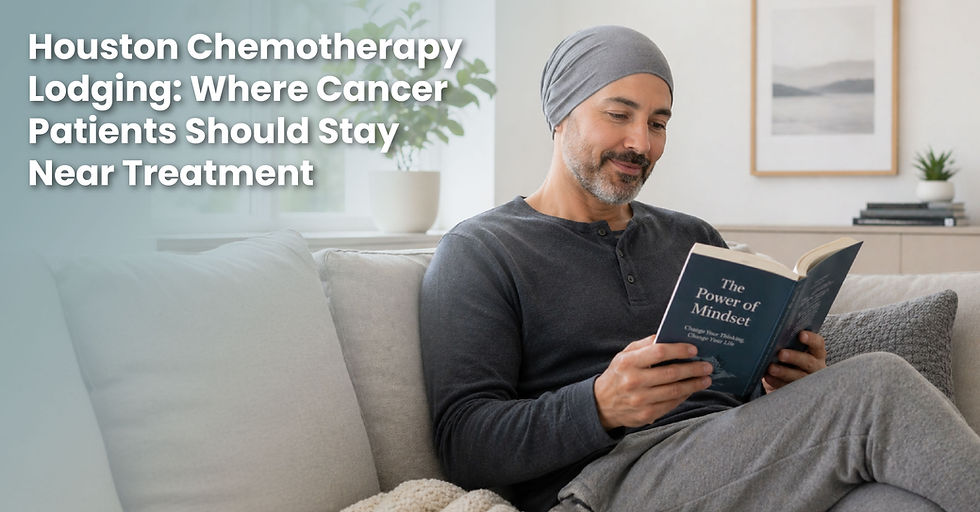
How to Choose the Best Medical Center Apartments in Houston: Complete Guide
Updated: Feb 12
Finding the right place to stay near Houston’s Texas Medical Center (TMC) can make a world of difference when you’re dealing with medical appointments, long work shifts, or study rotations. The TMC is the largest medical complex in the world – a 2.1-square-mile district with 21 hospitals and 8 specialty institutions, including renowned facilities like MD Anderson Cancer Center, Houston Methodist Hospital, Texas Children’s Hospital, The Woman’s Hospital of Texas, TIRR Memorial Hermann, and Memorial Hermann–Texas Medical Center. It hosts over 8 million patient visits each year, attracting patients and medical professionals from around the globe. With so many people coming to this “medical mini-city,” the demand for convenient, comfortable housing is high. In this guide, we’ll explain how to choose the best medical center apartments in Houston – whether you’re a patient, a family member, a medical student, or a traveling nurse – so you can find a home-away-from-home that meets your needs.

What is “Medical Accommodation” (Medical Housing)?
Medical accommodation refers to temporary housing solutions tailored for individuals and families who are traveling for medical reasons. Rather than staying in a hospital or hotel, many patients prefer a home-like environment during treatment. For example, a cancer patient undergoing therapy at MD Anderson might seek a short-term furnished rental instead of commuting or staying in a sterile hospital room. These medical housing options – often fully furnished apartments or homes near hospitals – provide a safe, comfortable place to live while receiving care. They allow patients to rest, cook, and maintain privacy, which can greatly improve morale and comfort during a difficult time.
In Houston, medical housing typically means furnished apartments near the Texas Medical Center. Medical Accommodations (with a capital “M”) is also the name of a local company dedicated to this service. Medical Accommodations offers “clean, quality, safe temporary housing” specifically curated for medical patients traveling to Houston. In other words, they help coordinate apartments and corporate rentals that are close to hospitals and ready for move-in. Whether you see the term “medical accommodation” used generally or as the company name, the core idea is the same: housing that caters to medical visitors’ unique needs.
Who Needs Houston Medical Center Apartments?
Several groups of people commonly seek apartments near the Medical Center Houston area for short-term or short-term stays:
Patients and Families Visiting for Treatment:
Houston is a medical destination, especially for cancer care at MD Anderson (the world’s largest cancer hospital). Patients often travel from out of town or out of state for specialized treatments, surgeries, or clinical trials. Where can cancer patients stay in Houston? Aside from hotels, there are nonprofit options like the American Cancer Society’s Hope Lodge, which provides “a free home away from home for cancer patients and their caregivers”, or Hospitality Apartments, offering rent-free temporary housing (up to 3 months) for patients and caregivers. However, such charity-based lodgings have limited availability and eligibility. As a result, many patients and their families opt for furnished apartments near MD Anderson Houston TX and other hospitals. These apartments offer privacy, a kitchen for special diets, and a peaceful environment to recover between appointments. They truly become a “home away from home,” allowing families to stay together in a normal setting rather than a hospital or hotel room.
Traveling Nurses and Healthcare Professionals:
Houston’s Medical Center also attracts traveling nurses, locum tenens physicians, medical researchers, and other healthcare workers on temporary assignments. These professionals often need short-term furnished apartments in Houston Medical Center for 8–13 week contracts or rotations. They look for housing that is close to their hospital to minimize commute after long shifts. All-inclusive rentals are especially popular, since all bills paid apartments let busy professionals avoid setting up utilities or furniture. Travel nurses prioritize convenient, flexible housing that supports their demanding schedules – for example, a quiet, secure apartment with fast Wi-Fi (for charting or staying in touch back home) and an in-unit washer/dryer to quickly launder scrubs. Proximity is key for them, as a short commute means more rest between shifts.
Medical Students and Interns:
Houston is home to multiple teaching institutions (UTHealth, Baylor College of Medicine, etc.), and students often need housing near their schools or hospitals. Where do medical students live in Houston? Many live in off-campus apartments in the Medical Center or surrounding neighborhoods like Braeswood, Rice Village, or Midtown. Some universities offer dorms or university-run apartments (for example, UTHealth has a University Housing facility for students near TMC). However, those spots can be limited. As a result, med students, interns, and residents frequently rent from the private market – often seeking roommate-shared apartments or studios near the Texas Medical Center so they can walk, bike, or take a quick METRORail ride to campus. They typically value affordability and convenience, but also safety. A furnished place can be helpful for a short rotation (several weeks or months) so they don’t have to move furniture around for a temporary stay.
Anyone Requiring Short-Term Housing by Hospitals:
Even non-medical folks sometimes need a place in the area – for example, someone whose spouse is hospitalized may need a month-to-month rental nearby, or individuals relocating to Houston who want to stay near the Medical Center while they search for permanent housing. In general, temporary housing in Houston Medical Center appeals to anyone who wants a flexible lease in a central, transit-accessible location with the comforts of home.
No matter which category you fall into, the Houston Medical Center apartments market has options for you – from basic budget-friendly units to luxury apartments in Medical Center Houston with high-end amenities. The key is knowing what to look for. Below, we outline the essential factors to consider when choosing the best apartment near the Texas Medical Center for your needs.
Key Factors When Choosing the Best Med Center Apartment
When comparing Med Center apartments Houston offers, keep the following factors in mind. These considerations will help ensure you find the best apartments near Texas Medical Center that meet your requirements for comfort, convenience, and peace of mind:

Location and Proximity to Hospitals:
Location is paramount. Aim to stay as close as possible to the specific hospital or facility you’ll be visiting regularly. A nearby apartment means shorter commute times, which is crucial when you have early surgeries, daily treatments, or long shifts. For instance, if your treatments are at MD Anderson Cancer Center, look for apartments near MD Anderson Houston Texas (within a mile or two). Being nearby not only saves time and transportation costs, but also reduces stress – you can quickly get “home” to rest between appointments. Many Houston Medical Center apartments are clustered in the 77030 ZIP code, putting you within minutes of multiple hospitals.
Tip: Check walking distances or shuttle availability. In Houston’s heat (or when you’re not feeling well), an apartment that is 0.5–1 mile away is often ideal. (For reference, The Maroneal complex in the Med Center advertises distances like 0.9 miles to MD Anderson and 0.8 miles to Texas Children’s Hospital.) In short, the closer, the better – but also consider access to grocery stores, pharmacies, and dining, which many Medical Center neighborhoods fortunately have in abundance.
Flexible Lease Terms (Short-Term Stays Welcome):
One major consideration is the lease length. Many standard apartments require a 12-month lease, which won’t work if you only need housing for a few weeks or months. The best Medical Center apartments in Houston offer flexible, short-term arrangements – including houston medical center apartments short-term leases. Can you rent a property for one month? Yes, with the right provider you can. Look for terms like “month-to-month,” “short-term furnished rentals,” or daily/weekly/monthly rentals. Medical Accommodations, for example, provides flexible rental terms for one night, weekly, or monthly stays. This flexibility is crucial if your treatment schedule is uncertain or your rotation might extend. Make sure there are no hefty penalties for extending a stay or leaving early (in case your medical plans change). In summary, choose a place that welcomes short-term renters – short term furnished apartments Houston Medical Center specialists will explicitly advertise this.
Fully Furnished & “All Bills Paid” Convenience:
For a temporary stay, fully furnished with all bills paid apartments are the gold standard. You shouldn’t have to worry about buying furniture or setting up utilities for a short stint. Opt for an apartment that is move-in ready – meaning it comes with complete furniture (beds, sofa, tables), housewares, linens, and appliances, plus included utilities like electricity, water, Wi-Fi, and cable. This all-inclusive approach simplifies life for medical travelers. As an example, corporate apartments listed for MD Anderson patients include “fully furnished 1- & 2-bedroom apartments… furniture, housewares, kitchenware, linens & towels included,” plus Wi-Fi, TV, washer/dryer, and electricity. Having an all-inclusive rent (covering all bills) not only saves you the hassle of activating accounts, but also makes budgeting easier – you’ll know exactly what your housing cost is with no surprise fees. Many travel nurses specifically seek all bills paid places for this reason. In short, make sure your temporary apartment is fully furnished and all utilities are included – this way, you can just bring your suitcase and settle in.
Spacious Layout (Enough Room for Everyone):
Size and layout matter, especially if you’re not traveling alone. Consider how many bedrooms and bathrooms you’ll need. One advantage of medical housing Houston apartments over hotel rooms is the availability of multi-bedroom units. Providers like Medical Accommodations and other corporate housing companies offer spacious one, two, and three-bedroom floor plans, so families or caregivers can stay together comfortably. For example, a two-bedroom apartment might allow a patient to rest in one room while family members sleep in another, giving everyone privacy and better sleep. Also, extra space means room to store medical supplies or equipment (oxygen tanks, wheelchairs, etc.) if needed. When browsing options, look at the square footage and bedroom count – a spacious setup can greatly improve quality of life, especially during a long stay.
Modern Amenities and Comforts:
Don’t underestimate the importance of a comfortable environment. Little conveniences can have a big impact on your day-to-day well-being. Look for apartments with top-notch amenities such as a fully equipped kitchen, modern appliances, and an in-unit laundry. Being able to cook your own meals is both cost-effective and healthy, especially for patients on specific diets. An in-unit washer and dryer saves time and allows you to easily clean clothes or linens as needed (crucial for extended stays or for quickly washing medical spills). Other great amenities include on-site fitness centers, swimming pools or hot tubs (if your health allows, a gentle swim or soak can relieve stress), and business centers or co-working spaces (useful for students or those working remotely). Many luxury apartments in the Medical Center Houston area even have concierge services, package delivery lockers, and 24/7 maintenance, which can all add peace of mind. While “luxury” features might sound secondary to a patient, they can enhance comfort – for instance, a power-lift recliner chair can help someone recovering from surgery, and a shuttle service to hospitals is a terrific perk if you can’t drive. Think about what amenities will make your life easier and prioritize those when choosing.
Safety, Security & Cleanliness:
Safety is non-negotiable, especially in an unfamiliar city or when you’re in a vulnerable state. The apartment complex should be in a safe neighborhood and have good security measures. Gated entries, secure access buildings, surveillance cameras, and on-site security patrols are all pluses. Also consider the safety of the apartment’s design: features like well-lit parking areas and hallways, secure locks, and maybe even keycard or code entry add extra reassurance. If you have mobility issues or are recovering from surgery, accessibility is part of safety too – you may need an elevator, a first-floor unit, or grab bars in the bathroom. Ask about ADA-accessible units or any adaptive equipment available. Medical Accommodations notes that some of their properties can even be outfitted with medical-assisting equipment (like shower chairs or hospital beds) upon request. Cleanliness is another critical factor. Because patients may have weakened immune systems, it’s important the apartment is professionally cleaned and well-maintained. Reputable medical housing providers have high cleaning standards – for example, units are often “professionally cleaned above the standards that medical patients require”. Read reviews or ask how they sanitize between guests. Ultimately, you want to feel secure and at ease in your temporary home, so don’t compromise on safety and cleanliness.
Lease Flexibility & Support for Urgent Needs:
Medical plans can change quickly – you might get an extension of treatment, or conversely, need to leave sooner than expected. Flexibility is key. Ensure the apartment provider allows easy extensions or short-notice adjustments. How do you get an apartment immediately if something comes up? One tip is to work with specialized agencies (like Medical Accommodations or other corporate housing services) because they often have move-in-ready units on standby and can place you on short notice. They also typically handle the paperwork quickly (sometimes within a day or two). If you try to rent directly from a private landlord via classifieds, the process might be slower or require a longer commitment. So, look for housing companies that understand urgency – ones that say things like “we can work with you to find a place whenever you need it”. Additionally, check the cancellation policy; some providers are sympathetic to medical situations and might offer more forgiving terms if a hospital stay ends early. The bottom line is, choose a housing option that puts your needs first and is willing to be flexible. The ability to rent month-to-month or extend your stay easily will relieve a lot of stress in a fluid medical situation.
Reputation and Reviews:
Do some homework on the apartment or provider’s reputation. Since you likely don’t have time for trial-and-error, lean on the experiences of others. Read testimonials and reviews from past guests, especially those in similar situations (patients, travel nurses, etc.). Positive indicators include mentions of responsive management, cleanliness, convenience, and good customer service. For example, one patient who needed lodging by MD Anderson noted that the service “made finding housing near the hospital simple and easy”, giving them multiple options and helping make an informed decision. Consistent praise like that is a green flag. You want a provider known for unparalleled service and urgency in meeting needs. On the flip side, be cautious if you see red flags in reviews about maintenance issues or unresponsive landlords. In a medical stay, you require things to work smoothly – if something breaks (air conditioning, hot water, etc.), you need prompt support. Opt for companies that have dedicated staff and a track record of taking care of guests. Trust and reliability are huge when you’re far from home for medical reasons.
Cost and Budget Considerations:
Finally, cost is always a factor. Medical expenses can be high, so lodging budget matters. The good news is that temporary medical apartments can often be more cost-effective than hotels. What is the best option for short-term rentals? If you need more than a week or two, a furnished apartment is usually the best value. Corporate housing providers often charge 10–30% less than hotel rates, even for upscale apartments. Plus, having a kitchen to cook means saving on dining out, and included utilities mean no extra bills. Always ask about any medical discounts as well – many places offer reduced rates for patients. For instance, Medical Accommodations provides a minimum 20% discount for medical patients off regular prices. If you’re staying 30 days or more, you also avoid hotel occupancy taxes (which in Houston can add 17% to short stays). Some apartments will have extended stay discounts – e.g. lower nightly rates if you stay a month or more. When comparing options, calculate the total cost: rent, taxes (if any), cleaning fees, pet fees, etc. And remember, the cheapest option is not always the best – weigh cost against the factors above (location, safety, comfort). Often, spending a bit more for a closer, well-equipped place can save you money in transportation or improve your recovery. That said, Houston has a range of options, and with the Texas Medical Center being so large, you can usually find something within your budget that still checks the key boxes.
By considering all these factors – from proximity and flexibility to furnishings and reputation – you’ll be well on your way to choosing an ideal apartment for your Houston medical stay. Next, let’s look at the types of housing available and why many consider furnished apartments the optimal choice.
Temporary Housing Options in the Texas Medical Center Area
When planning your stay, it’s worth comparing the main temporary housing options available near the Medical Center:

Extended-Stay Hotels:
Houston has many extended-stay hotels around the TMC (such as Residence Inn, Candlewood Suites, etc.). These hotels are designed for longer stays and come with kitchenettes and weekly housekeeping. They offer flexibility (you can book by the night) and on-site services. However, they can be quite expensive for multi-week stays, often charging high nightly rates plus hotel taxes. While convenient, the space is usually smaller (studio-style) and you may lack separate bedrooms or full kitchens. Hotels also fill up during big events or holidays, making availability tricky. In short, extended-stay hotels are reliable but typically cost more and offer less space than an equivalent apartment.
Airbnb & Vacation Rentals:
You can sometimes find private condos or homes for rent short-term on platforms like Airbnb or VRBO in the Medical Center area. These might range from spare rooms in someone’s house to entire apartments. The advantage is a homey environment and often slightly lower cost than hotels. However, quality and cleanliness can vary greatly. There may be uncertainty – last-minute cancellations by hosts, or properties not exactly as described. Additionally, Airbnbs often have additional fees (cleaning fees, service fees) and you might still be responsible for setting up things like Wi-Fi or figuring out logistics on your own. They usually also lack the specialized support that a medical housing service provides. If you go this route, read reviews carefully and ensure the location is indeed close to your hospital.
Corporate/Medical Furnished Apartments:
This category includes rentals provided by companies such as Medical Accommodations (and similar providers like Luxurway, Premier Corporate Housing, etc.). These are professionally managed furnished apartments dedicated to short-term renters. In many cases, they are the best option for short-term rentals in terms of balance between cost, comfort, and support. You get a full apartment (often in a nice residential complex with amenities), all furnishings and utilities included, and a team that handles any issues. As noted, these options often come out about 10–30% cheaper than hotels of comparable quality, partly because there’s no daily maid service or front-desk overhead – you’re living more independently. They also commonly offer spacious multi-bedroom units which is great for families. And importantly, companies focused on medical housing understand the unique needs: they may offer things like shuttle services to TMC, flexible extensions, or even patient-specific furniture (e.g. recliners, adjustable beds). For example, one corporate housing provider near TMC ensures “each unit can accommodate any medical equipment or technology you need to have on hand” – a sign of medical-savvy service. Overall, if you’re staying for several weeks or more, a furnished apartment through a reputable service is often the most comfortable and cost-effective choice.
Nonprofit or Hospital-Provided Housing:
We touched on some nonprofit options for patients (Hope Lodge, Hospitality Apartments) which are free or low-cost, and there are also Ronald McDonald Houses for families of pediatric patients, and short-term hotel-like facilities such as MD Anderson’s Rotary House International (a hotel attached to the hospital). These can be wonderful resources if you qualify – for example, Hope Lodge requires you to be an active cancer patient accompanied by a caregiver, and Rotary House is exclusively for MD Anderson patients and must be booked via the hospital. If you can secure a spot, they often provide a supportive community environment. The downside is waitlists and eligibility; not everyone can get in when they need it. Therefore, many patients use these as a backup or for part of their stay, and use private housing for the rest. Always ask your hospital’s case manager or social worker about any programs or negotiated hotel rates for patients – where cancer patients can stay in Houston might include special medical rates at nearby hotels or referrals to services like Medical Accommodations. It’s good to know all your options.
In summary, furnished short-term apartments near the Texas Medical Center hit a “sweet spot” for many people – offering the space, amenities, and home comfort that hotels lack, but with more reliability and support than taking your chances on a random rental. Plus, you truly get to live like a local, which can be mentally refreshing during a trying time. Now, let’s talk about one specific provider of such housing and why they stand out.
Why Medical Accommodations Is a Trusted Provider in Houston
When it comes to finding Houston medical center apartments short-term, Medical Accommodations has built a strong reputation as a go-to provider. This Houston-based company focuses exclusively on temporary furnished housing for medical patients and personnel – and that specialization shows in the quality of their service. Here are a few reasons why Medical Accommodations is highly trusted and worth considering for your stay:

Deep Understanding of Medical Needs:
Unlike generic apartment rental services, Medical Accommodations was created with medical travelers in mind. They understand the challenges you face – from the urgency of needing a place quickly, to the importance of location and a healing environment. As their website states, “at Medical Accommodations we understand the needs of medical patients and combine that with our experience, dedication and unparalleled service to provide the best temporary housing experience for you.” This ethos is evident in how they assist clients. They will ask about your specific hospital appointments, mobility needs, whether you’re bringing a caregiver or pet, etc., to find an apartment that truly fits your situation. It’s a level of personalization and empathy that puts guests at ease.
Prime Locations Throughout TMC:
Location, location, location – Medical Accommodations lives by this mantra. They offer housing options throughout the Texas Medical Center area, meaning they can place you extremely close to whichever hospital you need. Whether you need to be steps from MD Anderson, next to Houston Methodist, or near the MD Anderson Proton Therapy Center, they likely have an option nearby. In fact, they list multiple apartment communities (The Maroneal, Greenbriar, Stella, Sync, etc.) each within a mile or two of major institutions. This network of locations ensures that “wherever and whenever you need a temporary home, Medical Accommodations has you covered”. They essentially remove the commute burden, which can be a huge relief.
All-Inclusive, Quality Checked Apartments:
Every apartment through Medical Accommodations comes fully furnished and move-in ready, with all utilities set up. You don’t have to worry about a thing – “everything’s included… all utilities including WiFi and TV”. They also furnish the apartments thoughtfully: “from dressers and nightstands to towels and linens,” ensuring you have every essential item. This attention to detail means you won’t find yourself needing to run out to buy a missing pan or pillow. Additionally, each housing option is thoroughly vetted and quality-checked by their team. So you can trust that any apartment they place you in meets a high standard of comfort, cleanliness, and functionality. Essentially, they pre-scout the apartments so you don’t end up in a subpar unit.
Superior Cleanliness and Safety:
Medical Accommodations recognizes that many of their guests have health concerns, so they take extra measures for cleanliness. They promise that every unit is “professionally cleaned above the standards that medical patients require”. This means you can expect a spotless environment, with sanitization that gives peace of mind (especially important during COVID-19 times or for immunocompromised patients). They also ensure properties are in safe, secure buildings and neighborhoods – often gated communities or complexes with controlled access. Many of their locations also have 24/7 security or concierge services. The combination of a clean, safe living space allows you to focus on healing or working, without worry.
Unparalleled Service and Local Support:
Perhaps one of the biggest advantages is the high-touch service Medical Accommodations provides. From the moment you reach out, you’ll find real humans ready to help. As one guest review noted, “from the moment we first contacted them they were extremely patient, helpful and informative”, making the housing search simple. They offer a personal touch – you can call and talk through your needs, and they’ll suggest options rather than you having to search alone. Throughout your stay, their team remains available for any issues or requests. Need an extra blanket, help navigating to the hospital, or an extension of your lease? They are known for responsiveness: “you’ll easily be able to get in contact with a team member who will provide… urgency for any of your needs”. This level of customer care is invaluable during stressful times. It’s like having an advocate in your corner, ensuring your housing is the least of your worries.
Flexible and Patient-Friendly Terms:
Medical Accommodations tries to remove barriers for patients. They offer flexible terms – daily, weekly, monthly rentals – so you’re not forced into paying for time you don’t need. Uniquely, they even provide a minimum 20% patient discount off the normal rates, reflecting their mission to make housing affordable for those undergoing treatment. Not many housing providers offer a built-in discount just because you’re a patient. This discount, combined with their competitive rates, means you often pay much less than standard corporate housing. They truly do try to work within your budget; they’ve hosted over 100,000+ nights and 7,500+ patients to date, so they have experience accommodating various financial situations. Additionally, if you have a pet that you need to bring for emotional support or because you’ll be staying a while, they can find pet-friendly units – just let them know, and “we'll find a place that works for both you and your furry friend”. Their flexibility in policies (pets, extensions, etc.) makes the process smoother for you.
In essence, Medical Accommodations combines all the elements we discussed earlier: prime location, furnished comfort, cleanliness, and stellar service – with a compassionate understanding of what medical travelers face. They have “unparalleled service” and a proven track record of satisfied guests who felt truly at home during challenging times. If you’re looking for a hassle-free, empathetic housing solution in Houston’s Medical Center, they are a top choice. You can contact Medical Accommodations via their website or phone (888-900-2559) to discuss your needs, and they’ll take it from there, allowing you to focus on what really matters: your health or your work.
Conclusion
Choosing the best medical center apartment in Houston comes down to understanding your own needs and doing a bit of research or leveraging experts to help. By prioritizing proximity to your hospital, seeking furnished and flexible accommodations, and ensuring you’re in a safe, comfortable environment, you’ll set yourself up for a smoother experience during your time in Houston. Whether you’re here for healing or helping others heal, having the right place to stay can provide invaluable peace of mind. Houston’s Texas Medical Center community is welcoming and well-prepared for visitors – and with the tips above, you’ll be well on your way to finding the ideal home away from home. Safe travels and take care!

Before we conclude, let’s address some common questions people have when seeking medical center apartments in Houston:
Frequently Asked Questions
What is Medical Accommodation?
“Medical accommodation” generally refers to temporary housing for people who are traveling for medical purposes – such as patients undergoing treatment or family members supporting a loved one in the hospital. It means finding a comfortable place to stay near the hospital, often a furnished apartment or similar setup, rather than staying in a hospital room or regular hotel. These accommodations are typically geared towards being quiet, convenient, and home-like to aid in recovery. In Houston, for example, Medical Accommodations (the company) provides such housing solutions for patients, offering fully furnished apartments close to major hospitals. The goal of any medical accommodation is to give you a “home away from home” where you can rest and heal with all the normal comforts (kitchen, bedroom, living space) while you’re away for medical care.
Where can cancer patients stay in Houston?
Cancer patients coming to Houston (especially for treatment at MD Anderson Cancer Center) have a few lodging options. MD Anderson itself maintains a list of recommended hotels and apartments near the campus, some of which offer medical rates or shuttle services. There’s also the Jesse H. Jones Rotary House International, which is a hotel connected to MD Anderson (making it very convenient – but it books up fast). For longer stays, many cancer patients choose short-term furnished apartments in the Medical Center area so that they have more space and a kitchen for healthy meal prep. Additionally, there are charitable options: the American Cancer Society’s Hope Lodge in Houston provides free housing for cancer patients and their caregivers (usually for those in active treatment, with a healthcare referral). Another resource is Hospitality Apartments, a nonprofit that offers free, temporary apartments (up to 3 months) for out-of-town patients undergoing treatment. However, these free programs often have waitlists and specific criteria. In practice, many patients and families end up using a combination – maybe a few nights at a hotel or Hope Lodge, and several weeks at a rented apartment. The key is to find a place that’s close to your treatment center, since daily commuting can be exhausting. Services like Medical Accommodations specialize in helping cancer patients find furnished apartments near MD Anderson in Houston, TX, often with patient discounts and shuttles, which can be a relief during a stressful period.
Where do medical students live in Houston?
Medical students and interns in Houston live in a variety of places depending on their school and budget. Many live in the Medical Center area itself (77030 and surrounding ZIP codes) to be within walking or biking distance of their classes and clinical rotations. There are numerous apartment complexes around the TMC that cater to students, residents, and young professionals – these include apartments in areas like Braeswood, Almeda Road, Kirby Drive, and Old Spanish Trail, which are adjacent to the hospitals and schools. Some popular choices are properties like Latitude Med Center, The Weston, or blocks of student-friendly apartments listed through university off-campus housing offices. Additionally, institutions like UTHealth have University Housing for students – a dedicated apartment building near campus where students from McGovern Medical School, UTHealth, or Baylor College of Medicine can rent at subsidized rates. Not all students get a spot there, so many find roommates and rent privately. It’s common for med students to share a two-bedroom apartment to save on costs. Neighborhoods a little further out, like Montrose, Midtown, or the Rice University area, are also options if students don’t mind a short commute on the METRORail or bus. In summary, medical students in Houston tend to live as close to the Texas Medical Center as possible for convenience, often in apartments or student housing within a 1-2 mile radius of their school or hospital.
What is the best option for short-term rentals near the Medical Center?
The “best” option depends on your priorities (price vs. comfort vs. services), but generally short-term furnished apartments come out on top for most medical center visitors needing more than a few days’ stay. Here’s why: Compared to a hotel, a furnished apartment gives you more space (separate living and sleeping areas), a full kitchen to cook (healthier and cheaper than eating out), and often laundry facilities. They also tend to be more cost-effective for longer stays – as noted earlier, corporate apartments can be 10–30% cheaper than equivalent hotels, and you save on taxes for stays over 30 days. Hotels might be preferable if you only need a night or two, or if you absolutely require daily cleaning and room service. But for a short-term stay of a week, a month, or a few months, the apartment wins on comfort and value. Within the category of short-term rentals, working with a medical housing provider (like Medical Accommodations or similar) is often the best route, because they pre-arrange everything for you and understand flexible leasing. Platforms like Airbnb can work for short stays but come with more uncertainty. So, in summary: the best short-term rental option near TMC is usually a fully furnished, all-inclusive apartment through a reputable service, as it balances home-like comfort with hotel-like convenience.
Can you rent a property for one month in Houston?
Yes, absolutely – you can rent for one month (or even shorter) in Houston, especially in the Medical Center area where there’s a big market for short-term stays. Traditional apartments often have minimum leases of 6-12 months, but there are many short-term lease options available. These include extended-stay hotels (which rent by the night or week), vacation rentals (Airbnb, etc., which can be rented for any length), and corporate apartments that specifically offer month-to-month contracts. Medical Accommodations, for example, offers rentals for as short as one night up to several months, with monthly options readily available. When renting for one month, be aware that stays under 30 days in Texas usually incur hotel taxes (17% in Houston), whereas 30 days or longer are tax-exempt – that’s one reason many medical visitors try to plan for at least a one-month stay if it makes sense. But if you truly only need, say, 3 or 4 weeks, there are plenty of furnished apartments that will accommodate that term. Always clarify the lease terms in writing, and ensure you won’t be penalized if you need to extend a bit longer. In short, one-month rentals are available and common in the Medical Center; just seek out “short term furnished apartments” or go through a service that advertises flexible one-month leases.
How to get an apartment immediately in the Medical Center?
If you need to secure housing immediately (for instance, you just found out you have to be in Houston next week for a sudden medical appointment or assignment), here are some tips:
Contact a specialized housing service or locator that operates in the Medical Center. Providers like Medical Accommodations are used to urgent requests – they often have a portfolio of ready-to-go units and can expedite the booking process, sometimes within 24-48 hours. This saves you the time of hunting individual listings.
If you prefer a DIY approach, look for “vacant” or “available now” listings on apartment websites or consider an extended-stay hotel for an interim solution. Some large apartment complexes in Houston keep a few furnished units available for corporate rentals; you can call their leasing offices to ask about immediate move-ins.
Have your documents and funds in order. Even for a short rental, you’ll likely need ID, perhaps proof of why you’re in town (some medical housing requires a doctor’s note for patient rates), and a method to pay a deposit or first month quickly. Being organized speeds up the process.
Leverage the hospital social work department – they often have emergency lists of accommodations or can pull strings to get you a place at short notice, especially if you’re already in town at the hospital. In summary, the fastest way is to work with a company that can match you to an available furnished apartment immediately – they’ll handle the paperwork while you handle your travel. Houston’s Medical Center has a lot of housing, so even on short notice, you should be able to find something. It might not be the perfect apartment if you’re in a rush, but the good news is that with so many units around, there’s usually a vacancy somewhere that fits the bill.
What is the rapid rehousing program in Houston, Texas?
Rapid rehousing is a term usually related to homeless assistance programs, and it’s a bit outside the scope of medical center apartments – but to answer the question: The Rapid Rehousing program in Houston is a federally funded initiative aimed at helping individuals and families who are experiencing homelessness to quickly move into stable, permanent housing. It provides short-term rental assistance, help with security deposits, and supportive services like case management. The idea is “housing first” – get the person housed fast, then address other issues. In Houston, organizations like the Coalition for the Homeless and nonprofits such as Covenant House (for youth) participate in rapid rehousing. These programs typically have no preconditions (like sobriety or employment); they focus on getting people off the streets and into an apartment, then helping them sustain it. For example, Covenant House Texas notes that rapid rehousing is “designed to help individuals and families quickly move from homelessness to permanent housing”. Participants receive help paying rent for a limited time while they work toward self-sufficiency. It’s important to note that rapid rehousing is not specific to medical patients – it’s for anyone in need who qualifies through the homeless services system. If you are in an emergency housing situation unrelated to medical travel, you would contact Houston’s homeless hotline (211 or the Housing Assessment Center) to inquire about rapid rehousing resources. But if you’re asking in context of medical housing: rapid rehousing is not a service like a short-term rental; it’s more of a social support program for those in crisis.
How to qualify for essential housing in Houston?
“Essential housing” in Houston refers to housing programs or apartment units set aside as affordable options for essential workers or moderate-income households. Often called “workforce housing,” these programs aim to help people like teachers, nurses, first responders, and other middle-income earners live in the city near their work, even if they can’t afford luxury market-rate rents. To qualify for essential housing, you typically need to fall within a certain income range – usually defined as a percentage of the Area Median Income (AMI). For example, one Houston apartment provider’s Essential Housing program notes that those earning roughly 60% to 80% of the median income (around $39,000 to $74,000 yearly) may qualify for discounted rent in specific units. In practical terms, you apply for an apartment that’s labeled as “Essential Housing” or “Affordable Housing” and provide proof of your household income (pay stubs, tax returns). If your income is above a minimum threshold (so that you can pay rent) but below the maximum cap, you could be eligible. The Houston Housing Authority often oversees or audits these programs, even if the apartments are managed by private companies. Keep in mind that each property with essential housing units might have its own rules – some reserve those units for certain professions or just generally for anyone in the income band. There may also be waitlists since these units are in high demand. If you think you might qualify, contact the leasing office of communities advertising “Essential Housing” and ask about their application process. They will guide you through verifying your income and any other requirements. Essentially, to qualify, you must show that your earnings fall within the allowed range and sometimes that you are employed in a profession deemed “essential” (though not always – income is the primary factor). It’s a great way to secure a quality apartment at a rent below the market rate if you meet the criteria.